
In the wake of Hurricane Melissa, the devastation isn’t just visible in shattered homes and uprooted trees — it’s etched into the faces of children who’ve lost their rhythm of life. While rebuilding physical infrastructure dominates the headlines, a quiet crisis unfolds: the psychological toll on children, many of whom now carry trauma with no obvious outlet.
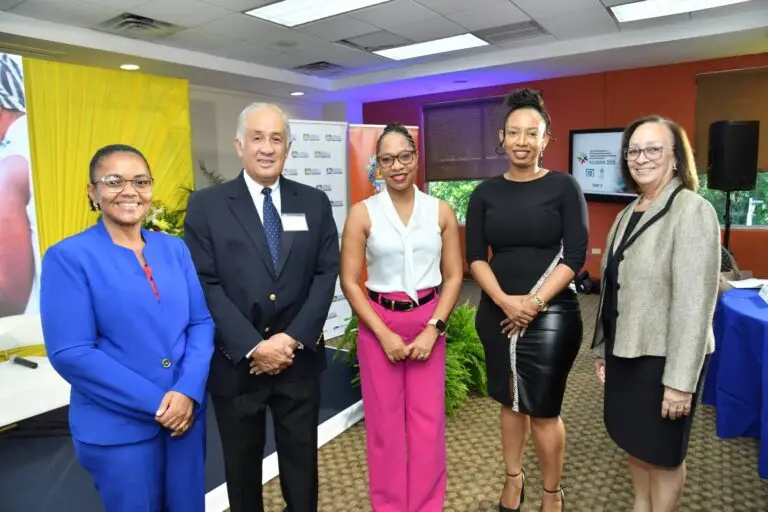
At a recent regional gathering of educators and child development professionals, Professor Maureen Samms-Vaughan, a leading voice in developmental health, made a compelling case for a different kind of intervention — one that doesn’t require a therapist, only a ball, a swing, or the freedom to play.
Play as Medicine
“Children who engage in regular play display lower cortisol levels,” Samms-Vaughan explained. In simpler terms, play tamps down the brain’s stress response. It’s not just recreation — it’s restoration. Evidence from disasters like Hurricane Katrina shows children who resumed school and play sooner were significantly more resilient. Those who were uprooted for long periods saw alarming drops in academic performance and a spike in emotional disturbances — effects that lingered for years.
More Than a Distraction
Play is not a luxury or a post-crisis afterthought. It is a frontline therapy. When children play, especially with peers, they begin to process complex emotions in a safe, subconscious way. “You see it in how they role-play scenarios, mimic adults, test limits. Their world is rebuilding through play,” Samms-Vaughan said.
She emphasized that even temporary play environments, like UNICEF’s mobile classrooms, create significant improvements in mental health simply by allowing children to reconnect with one another.
Barriers to Play: Cultural and Structural
Despite its benefits, access to meaningful play remains limited. In some households, cultural expectations stifle free time. Academic success is prized — often at the expense of mental health. “Parents celebrate test scores but dismiss the value of romping in the yard,” said Samms-Vaughan. Even schools are complicit, replacing recess with extra lessons.
Then there are the hard barriers: crime, unsafe communities, and a lack of parks. In urban centers, many children are confined indoors for their own safety. The result? Sedentary lifestyles, reduced immunity, delayed motor skills, and a deepening emotional toll.
A National Wake-Up Call
Samms-Vaughan called for a national strategy to place play back on the agenda — not as an extracurricular, but as a core component of child development, especially in times of crisis. Her recommendations were blunt and urgent:
- Mandatory integration of play into early childhood curricula
- Expansion of safe community play spaces
- Parenting programs that emphasize the importance of unstructured play
- Retraining educators to prioritize emotional healing alongside academics
She challenged both policymakers and parents to rethink their definition of “progress.” “We must be a society that values the emotional recovery of our children as much as their grades,” she urged. “A child who plays is a child who heals.”
The Invisible Rebuild
The aftermath of any disaster is measured in concrete and steel. But there is another reconstruction — quieter, slower, more fragile. It happens inside the minds of children relearning safety, trust, and joy.
And in that space, a swing set can be as important as a school. A ball, more healing than a textbook. A game of tag, the first step back to wholeness.
Because in the silence after the storm, what children need most — is to play.
