
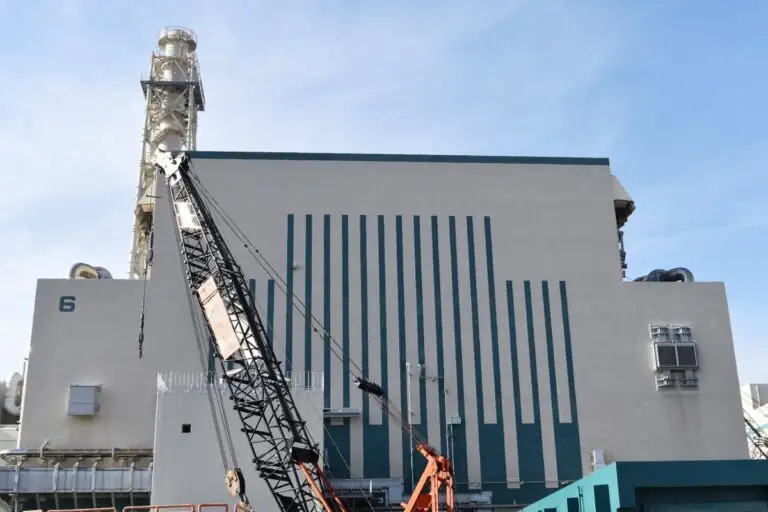
Japan’s attempt to bring the world’s largest nuclear power station back online hit another obstacle this week, after a technical warning forced operators to pause the restart process.
The Kashiwazaki-Kariwa facility in Niigata Prefecture — dormant since the 2011 Fukushima catastrophe — had just begun restart procedures following regulatory approval. But shortly after initiation, an alarm triggered within the plant’s monitoring systems, prompting an immediate suspension of operations.
Tokyo Electric Power Company (TEPCO), which runs the site, said engineers are now probing faulty electrical equipment linked to the alert. Company officials cautioned that the issue will not be resolved quickly and offered no timeline for when restart efforts might resume.
To stabilize the reactor, operators reinserted control rods — a standard safety measure that slows or halts nuclear fission. TEPCO stressed that the reactor remains stable and that no radiation has leaked beyond the facility.
The setback follows a separate delay earlier this week, when a malfunction involving control rod removal forced a postponement of the original restart schedule. That problem was reportedly fixed over the weekend, only for the latest fault to derail progress again.
Kashiwazaki-Kariwa is the largest nuclear power plant in the world by capacity, though only one of its seven reactors was slated for reactivation. It has remained offline since Japan suspended all nuclear generation after the Fukushima meltdowns triggered by a massive earthquake and tsunami in 2011.
The government now sees nuclear power as a strategic necessity, aiming to cut fossil fuel dependence, meet rising electricity demand — including from data centers and artificial intelligence — and achieve carbon neutrality by mid-century.
Despite national priorities, local resistance remains intense. Polling shows a majority of Niigata residents oppose the plant’s return to service, citing seismic risks and regional safety concerns. The site sits near an active fault zone and was previously damaged by a strong earthquake in 2007.
Protesters have staged demonstrations outside the plant, arguing that their region shoulders the danger while electricity flows mainly to Tokyo. Earlier this month, tens of thousands of signatures were submitted to regulators and TEPCO, urging a permanent halt to the restart.
For now, Japan’s nuclear revival effort remains stalled — once again at the mercy of a single alarm.
