
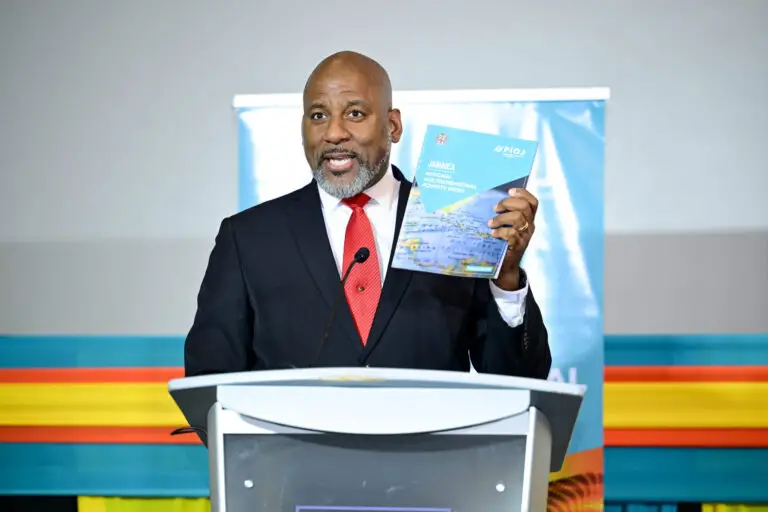
KINGSTON, Jamaica — Jamaica has introduced a new national framework designed to change how poverty is understood, tracked, and ultimately reduced across the island.
The newly launched National Multidimensional Poverty Index (MPI) expands the country’s measurement of hardship beyond income and consumption, offering a wider lens that captures the everyday realities Jamaicans face in education, health, employment, and living conditions.
Developed by the Planning Institute of Jamaica (PIOJ) with technical support from international partners, the Index is intended to guide future social policy, sharpen targeting of assistance, and strengthen national development planning. It will operate alongside the country’s long-standing consumption-based poverty measure, rather than replace it.
At the core of the MPI is a framework built around four major dimensions — education, health, living standards, and employment — broken into 15 separate indicators. Individuals are classified as multidimensionally poor when they experience deprivation in at least 40 per cent of these areas.
According to officials, the approach reflects a shift away from viewing poverty strictly as a shortage of income, toward recognising the layered disadvantages that shape long-term wellbeing.
“Income alone does not tell the full story,” said PIOJ Director General Dr Wayne Henry during the official launch in Kingston. “People may earn above the poverty line yet still face serious barriers — from poor housing to unemployment or limited access to education. The MPI allows us to see those gaps clearly.”
The new tool enables policymakers to map deprivation more precisely, identify communities facing overlapping challenges, and track whether interventions are delivering results under national poverty-reduction programmes.
Funding for the project was provided through regional development support aimed at improving the quality and availability of poverty data across Caribbean states.
Representatives of the Caribbean Development Bank said the Index strengthens Jamaica’s long-term development strategy by aligning poverty measurement with broader goals of equity, resilience, and human development.
“Understanding how disadvantages intersect is critical,” said social sector officials. “The MPI shows not only how many people are affected, but how poverty is experienced in real life — across gender, geography, housing, and access to basic services.”
The Index is also expected to play a role in disaster recovery planning, particularly as Jamaica confronts climate-related shocks that often deepen existing vulnerabilities.
The MPI was built using national household survey data and refined through extensive community consultations and technical research. Early findings show that multidimensional poverty fell from 11.6 per cent in 2018 to 8.7 per cent in 2019.
Beyond government use, the framework will be available to researchers, civil society groups, and the public, providing a shared reference point for understanding social conditions across the country.
Officials say the ultimate goal is simple: better data, sharper decisions, and policies that reach the people who need them most.
