
BELEM, BRAZIL — The United Nations COP30 summit entered a critical phase this week as Brazilian hosts circulated a preliminary draft agreement aimed at bridging deep divisions between nearly 200 participating countries. The early release of the nine-page proposal — dubbed the “Global Mutirao” — signals growing urgency from the COP presidency to hammer out consensus on climate finance, fossil fuel transition, and trade-related tensions.
The draft, named after a Brazilian Indigenous principle of collective mobilization, presents multiple, and at times conflicting, options on key disputes still unresolved. These include whether nations should phase out fossil fuels entirely, redefine the cadence for reviewing emissions targets, and triple climate finance for vulnerable nations by the end of the decade.
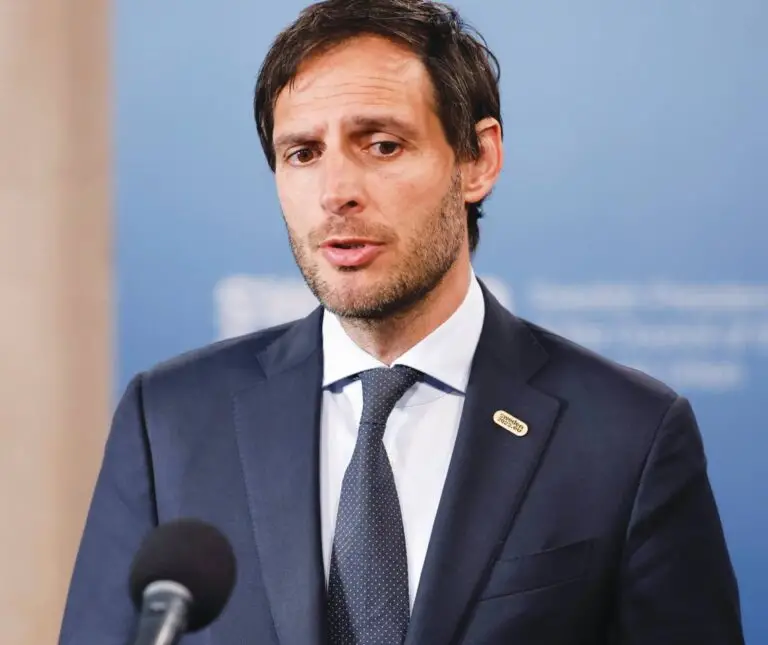
European Union climate commissioner Wopke Hoekstra made clear that certain red lines won’t be crossed. Speaking from Belem, Hoekstra dismissed attempts to revisit last year’s hard-won financing commitments or entertain renewed debates on contentious trade measures, calling them “phony conversations” that detract from the summit’s core mission.
Despite the ideological gridlock, some observers interpreted the draft’s prompt delivery as a tactical move to accelerate negotiations and avoid last-minute chaos. “It’s one of the cleanest early drafts we’ve seen in recent COP summits,” noted Li Shuo of the Asia Society Policy Institute. “This suggests the Brazilian presidency is keen on securing a deal without needing to push talks deep into overtime.”
The proposed text is less a declaration of consensus and more a scaffolding of choices. For example, one section outlines contrasting pathways on fossil fuel use: an outright call for a roadmap to eliminate fossil fuels, a proposal for a high-level roundtable on transitioning from carbon, and an option to omit the topic altogether.
Similarly, the draft suggests ramping up climate ambition by evaluating national emission plans annually — a shift from the current five-year cycle. This proposal is aimed at maintaining momentum and increasing accountability, particularly as the world drifts further off track from its Paris Agreement targets.
On the climate finance front, developing nations are pressing for a tripling of adaptation funds by 2030 or 2035. This demand remains one of the summit’s most charged sticking points, with wealthier nations wary of escalating financial obligations.
Trade has also emerged as a volatile theme, with Beijing leading the opposition to what it calls “unilateral actions” — a direct swipe at the EU’s new carbon border tax on high-emission imports. The draft includes four options to address these tensions, including convening a UN-level climate trade dispute forum.
While negotiators push for consensus by the summit’s scheduled close on Friday, history suggests discussions may spill past deadline. With competing interests from oil-rich states, vulnerable island nations, and industrial powerhouses, the final hours of COP30 are likely to test both diplomatic patience and political will.
