
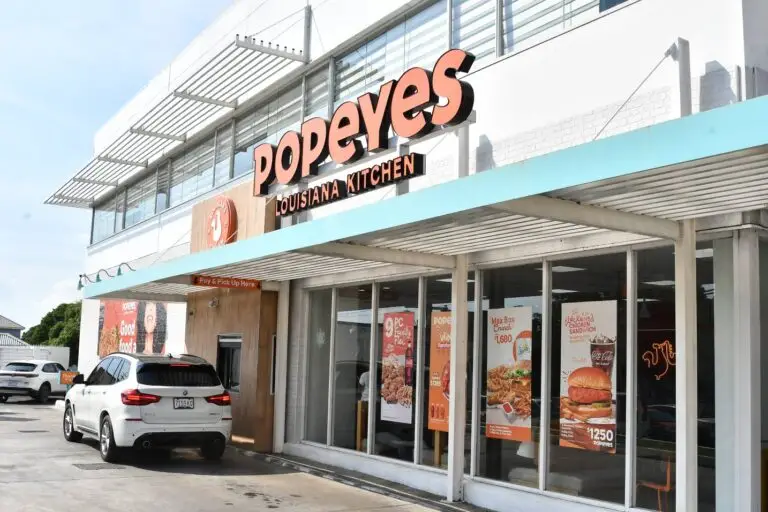
In a decisive pivot toward automation, Restaurant Associates Group is rolling out an aggressive technology upgrade across its Jamaican restaurant footprint—placing self-service kiosks and in-store digital payment systems at the heart of its 2025 strategy.
The operator behind Burger King, Popeyes, Little Caesars, and Krispy Kreme is preparing to launch a new generation of stores built around speed, autonomy, and reduced reliance on front-counter staff. At the center of this transformation: sleek touchscreen kiosks that allow customers to browse menus, customize orders, and complete transactions without ever interacting with a cashier.
Replacing the Counter — Not the Culture
“Our goal isn’t to remove the human element. It’s to remove friction,” said CEO Lisa Lake. “Self-service technology allows our guests to move at their own pace, personalize their meals, and skip long queues. Meanwhile, our staff can focus on preparing food and enhancing the in-store experience.”
The shift comes as Jamaica’s labour market tightens, making hiring and retention in the service sector more difficult and expensive. But rather than let understaffing compromise service quality, Restaurant Associates is doubling down on automation to maintain performance standards.
How the Kiosk Experience Works
Customers will walk into the restaurant and approach a large vertical screen near the entrance or dining area. With a few taps, they’ll be able to:
- Browse dynamic digital menus updated in real time
- Customize ingredients and portion sizes
- View allergen and nutritional information
- Select combo upgrades, add-ons, and promotional items
- Choose pick-up or dine-in
- Pay via card, mobile wallet, or contactless tap-to-pay
Once the order is placed, the kitchen receives it immediately, shaving minutes off traditional counter-based transactions. The kiosk even uses time-of-day data, weather patterns, and trending item analytics to suggest upsells and recommend options—turning the static menu into an intelligent, responsive sales engine.
Why It Matters
Speed of service is everything in the quick-service industry. With kiosks handling order intake and payments, restaurants can process more customers per hour without scaling up front-of-house labor. And for digitally fluent Jamaicans—especially Gen Z and younger millennials—kiosk-first stores mirror the seamlessness of app-based platforms they already use for transport, shopping, and entertainment.
“It’s not just about convenience—it’s about control,” Lake noted. “Customers want precision, personalization, and speed. The kiosk gives them all three.”
Back-of-House Integration
The digital revamp doesn’t stop at the lobby. New kitchen display systems (KDS) will sync with the kiosks, optimizing ticket sequencing and prep times. Combined with digital order tracking and POS integration, this streamlines both the front and back of house into a single cohesive workflow.
Restaurant Associates is also investing in self-payment stations for dine-in and drive-thru lanes, aiming to eliminate manual cash-handling and reduce wait times. These terminals will accept card, NFC, and QR-based payments, with some stores testing license plate recognition and loyalty program syncing for faster reorders and personalized promotions.
Pilot Locations and Rollout
The first wave of kiosk-enabled stores will include both new builds and remodels of high-traffic locations. Barbican and New Kingston are first in line for retrofits, with the technology becoming standard across all new outlets going forward. “Every new store we open will be built around this model,” said Lake. “It’s the new norm.”
A Glimpse into the Future
Beyond 2025, the company is exploring app-kiosk hybrids, allowing customers to place an order en route and scan a QR code to activate the kiosk upon arrival. They’re also testing back-end AI tools to monitor peak times and shift staffing dynamically—turning each restaurant into a responsive, data-driven operation.
Conclusion
As more Jamaicans embrace on-the-go lifestyles and digital interactions, Restaurant Associates’ self-service overhaul positions it at the forefront of a QSR evolution. This isn’t just about keeping up—it’s about reshaping how fast food works in a region where convenience, cost, and customer autonomy are rapidly converging.
