
As the nation’s attention turns westward in the aftermath of Hurricane Melissa, a quieter crisis brews in the east — one not of shattered roofs or flooded roads, but of depleted bank accounts and strained resilience. While eastern parishes escaped the hurricane’s physical wrath, they are now bearing a different cost: the financial weight of solidarity.
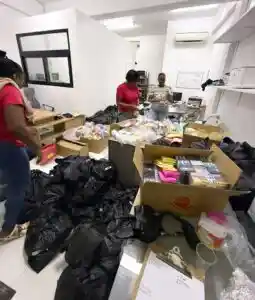
Across communities in St. Thomas, Portland, and the eastern corridors of Kingston, residents and entrepreneurs have stepped in where formal aid lagged. Their pockets have become the frontline of relief — funding food drives, medical runs, and shelter logistics without state support or reimbursement. Now, with Christmas on the horizon, many are confronting the consequences of this unplanned generosity.
For independent hustlers and small business owners, the balance sheet is sobering. Tens of thousands spent prepping homes, followed by hundreds of thousands more for post-disaster assistance. One individual, who mobilized her own relief effort for family and friends in the west, tallied personal expenses north of $400,000. Her story is not isolated.
Even as they pour energy into rebuilding others, many can’t access institutional relief themselves. Without physical damage or formal declarations, easterners are excluded from most loan moratoria. Credit cards are maxed. Business cash flows are in free fall.
Nicolette Richardson of Growth Consulting said bluntly, “We’ve been swiping through the emergency, hoping revenue catches up later. It’s unsustainable — but right now, it’s survival.” Carolyn Rose, who runs Liberton, echoed the sentiment: “Expenses continue, even as income stalls. And the interest on those cards keeps rising.”
What’s emerging is a crisis of liquidity. Owners are faced with the brutal equation of fixed payroll obligations versus vanishing revenue. Project timelines have been shelved. Strategic expansions are on pause. And beneath it all lies a deeper worry: whether the ecosystem they’ve spent years building can weather this strain.
Shudene Ramsay of Ramsay’s Professional Services, which had to halt its service operations to prioritize emergency assistance, summed it up: “We’re operating in the red while carrying the burden of community responsibility. And no, that doesn’t show up on paper for a tax break.”
The story is similar for micro-operators like Nastassia Brown, who runs Kingston’s Catch, a seafood pop-up that was forced to cancel its event during the storm week. Brown, who also lent her project management skills to organize recovery drives, now juggles full-time job duties with lost business income, payroll, and personal expenses. “It’s become a game of budgeting every move,” she said, “balancing care for others with the need to keep your own ship afloat.”
Despite no official call to act, many of these entrepreneurs felt duty-bound to step in. Yet as December unfolds, they’re left wondering who will return the favor. Festive optimism has given way to muted reflections and recalibrated expectations. “This year will be about warmth and gratitude, not spending,” Brown shared. “We’re dialling back — but holding each other up.”
Others are less hopeful. “The economy was already fragile,” Ramsay added. “Now people are in pure survival mode. Christmas is going to be bleak.”
At the policy level, Prime Minister Andrew Holness has promised broad-based relief. On November 4, he outlined a national recovery programme including cash flow support, concessional loans, social aid, and industry-specific financing. A “restart stipend” for economic reactivation is reportedly in development.
The Young Entrepreneurs Association has pushed further — proposing a dedicated Emergency MSME Stabilisation Fund, tax relief for businesses offering recovery assistance, and GCT exemptions for hurricane-related materials and services. These measures remain under review.
Some financial institutions have moved ahead. The National Housing Trust, VM Building Society, First Heritage Credit Union, and JN Bank have introduced moratoria on mortgage and loan payments, ranging from three to six months. Scotiabank’s Client Assistance Program offers short-term deferrals on loans and credit cards, though interest continues to accrue. Dolla Financial is preparing a similar initiative for clients in storm-impacted areas.
But relief is largely geographic. Those in the east — who mobilized first and emptied their accounts to help — are left out of most frameworks due to technicalities.
What the data won’t show this quarter are the sacrifices made without recognition. The business plans quietly postponed. The credit risks privately assumed. The communal duty fulfilled without applause.
This is the other side of Jamaica’s recovery — one where no tarpaulins were needed, but the financial wounds run deep. And this Christmas, the eastern parishes are not asking for handouts. But they are, increasingly, hoping for acknowledgment.
