
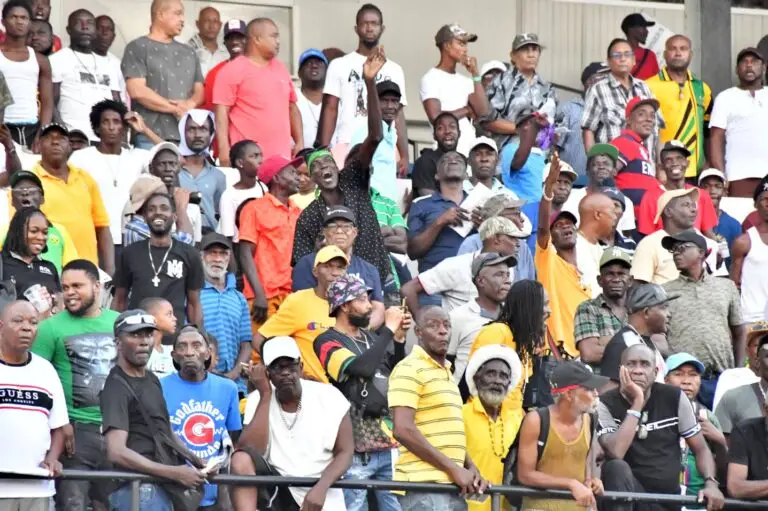
This Saturday, Caymanas Park is set to reopen its gates to live racing, signaling a swift but tentative recovery after Hurricane Melissa’s brush with the island. While the track itself appears largely intact, the surrounding infrastructure—especially key stud farms and stable zones—sustained enough damage to expose the industry’s underlying vulnerabilities. Still, the urgency to resume operations suggests more than just optimism—it signals a race against economic decay.
An Industry No Stranger to Disruption
Jamaican horse racing has weathered worse. In 1973, the grandstand roof was literally peeled back by wind gusts. In 1988, Hurricane Gilbert brought another brutal halt. And in 1989, Equine Influenza swept through the horse population like wildfire. In each case, the sport clawed its way back with the help of veterinarians, die-hard trainers, and racing authorities committed to preservation.
What’s different this time is not the weather, but the climate—economic, regulatory, and structural.
Population Collapse and a Breeding Crisis
Jamaica’s horse population is in steep decline. From over 1,000 racehorses and 863 races in 1992, we now face a scenario with fewer than 800 horses and shrinking race fields averaging below 10 per event. Despite this, the calendar remains packed—overriding economic logic in favor of quantity over quality.
Breeding is also faltering. While the U.S. market saw a drop from 40,000 foals in the early ‘90s to just over 16,000 in 2024, Jamaica has mirrored that downward curve without a formal national response. The inevitable result? Aging fields, weaker betting pools, and reduced public interest.
Systemic Sabotage in the Form of a Rulebook
The root of this spiral lies not only in storms or viruses but in the system itself. The 1993 adoption of the American-style claiming system, in place of a classification-based handicap system, traded long-term competitiveness for short-term churn. The logic was flawed then, and it’s fatal now.
Under a claiming model, half the races each meet serve up underperformers masquerading as viable contenders. Purse money is diluted, betting confidence erodes, and ownership loses appeal. Simply put: a sport run for the few cannot fund itself on the many.
Global Trends Are Shifting Back. Is Jamaica Too Late?
The U.S. Jockey Club—after decades of ignoring the consequences—is finally pivoting. On October 24, 2025, it released a formal classification of its horse population. The move, though late, reflects a recognition that structure is survival. Jamaica now stands at a similar threshold. The question is whether it will follow suit or continue in self-inflicted decline.
A Call to the Architects of Decline
The original architects and defenders of the claiming model are still around. But what is now required is not justification, but redemption. Their influence could be leveraged to reverse the very model that has drained the vitality from the sport.
Racing isn’t dying because of hurricanes or outbreaks. It’s dying because of decisions.
Conclusion: Rebuild the System, Not Just the Stables
The return of races this Saturday will be met with applause. But the industry must look beyond the spectacle. Rebuilding isn’t about poles and paddocks—it’s about policy and population. Caymanas Park may reopen this weekend, but if the core issues are ignored, Jamaica may find itself with a track and no race left to run.
